Fascia Board Replacement for Older Homes
A Boston roofer explains fascia board replacement: spotting rot, checking the rafter tails behind it, doing the job right and what it costs.
TL;DR: Fascia is the trim board along the roof's edge behind the gutters. It covers the rafter ends and holds the gutters up. Peeling paint and mold mean it's taking water. Soft spots mean it's rotten. Check the sub fascia and rafter tails before you replace it. On the job we measure first and take the gutters down. The old boards come off, and the new ones get cut and primed, then fastened. Caulk goes on the seams before the gutters are rehung. Industry guides put labor around $6 to $20 per linear foot plus materials. Wood needs repainting. PVC won't rot, and neither will fiber cement or aluminum. Fix the gutters and the ice dams too, or the new board will rot.
Fascia · 9 min read
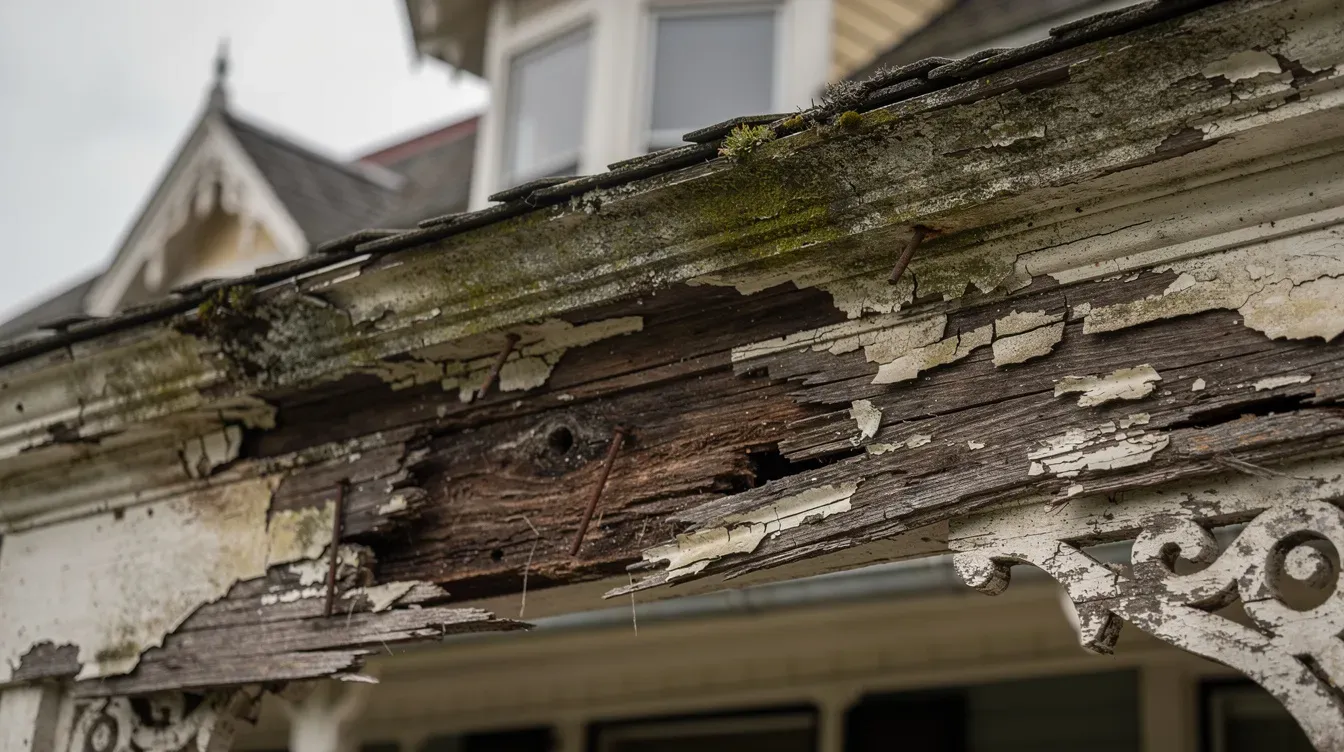
Nobody thinks about fascia until a gutter starts hanging off the house. Then you look up and the board behind it is gray and soft, nails backing out. That wood has been wet for a few seasons, probably. What I want to know at that point is how far back the rot goes.
Fascia board replacement isn’t complicated work on a ranch. It gets harder fast on a three-story Victorian with a slate roof and a built-up cornice. Below is how I’d judge a bad board, how the job is done properly and what it tends to cost, plus what each material gives you over time in our winters.
What a Fascia Board Does
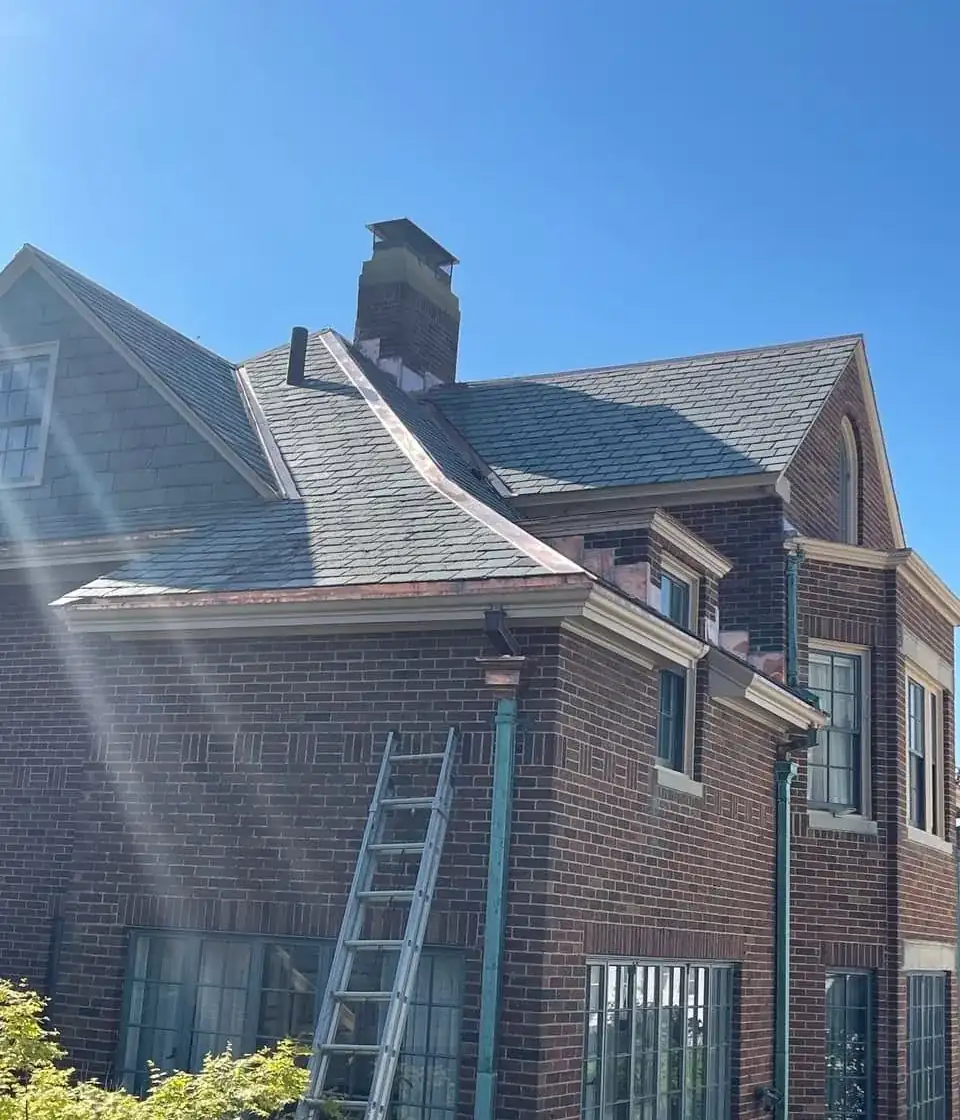
The fascia board is the flat trim that runs along the roof’s edges, right behind the gutters. It covers the ends of the rafters.
That’s its first job, and the less obvious ones matter more. Behind it there’s often a sub fascia, a rougher board attached straight to the rafter tails, and underneath sit the soffit boards that close in the bottom of the overhang.
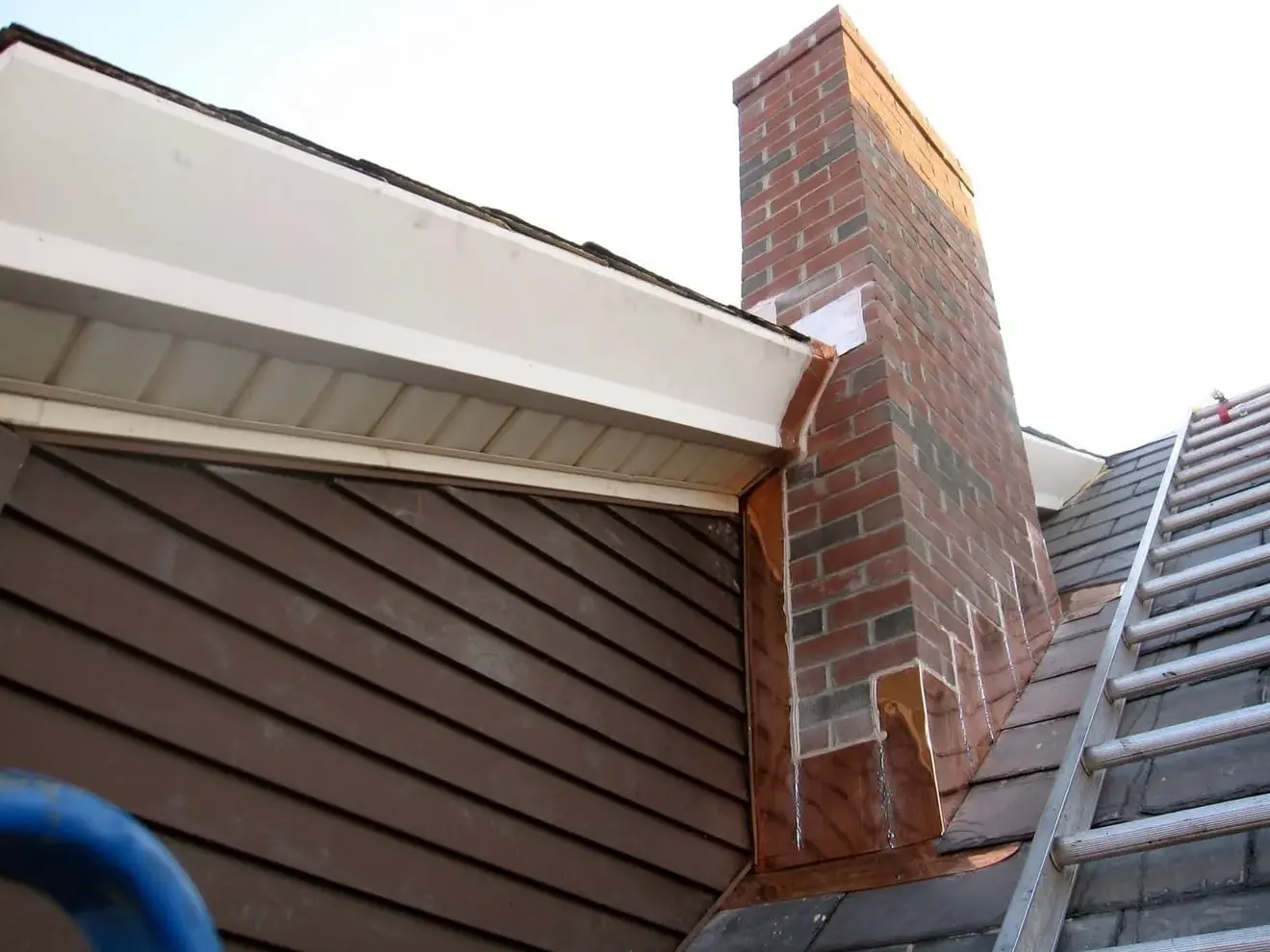
The gutter brackets screw right through it. So all the support for the gutter comes from that one strip of wood, and in February with the gutter packed with wet snow and ice that’s a lot of weight. It keeps rain off the ends of the framing, too, which protects the roof structure from water damage. And honestly a straight painted roofline is half of what makes an old house look kept up.
Closed fascia keeps animals out.
Squirrels and birds love a gap at the eaves, and once a squirrel finds a soft corner it will chew its way through into the attic in an afternoon and start bringing in nesting material, which is how a lot of pest infestations in the roof area start.
Signs Your Fascia Needs Replacement
Fascia boards rot because of water damage, almost always. The gutter overflows, or the drip edge is missing, or ice backs up at the eave, and the wood stays damp long enough to break down.
From the ground I look for a few things. Paint that’s cracked or peeling is the earliest warning, and a board with real cracks through it needs replacing, not another coat. Visible mold and mildew mean the wood is staying wet. Look at the gutter line too. If it waves or sags, the brackets have lost their grip somewhere.
Up close I push on the board with a screwdriver. Soft spots on fascia boards suggest extensive rot, and when the tip sinks in easily I already know the damage goes deeper than the paint. Dark stains running down the siding under the eaves point to the same thing.
Clogged gutters are the usual cause.
Gutters packed with leaves hold water against the back of the fascia every time it rains, which wrecks it. Cleaning them out spring and fall costs far less than new trim.
Inspect the Rafters Before You Replace Fascia
Inspect the fascia boards for rot before replacement, and then keep going. What looks like one bad board from the street can turn out to be a rotted sub fascia and two soft rafter tails behind it. I always check the rafters for rot before new fascia goes on, because nailing a fresh board to decayed framing just hides the problem for a couple of years.
I’ll probe the rafter tails with an awl and take a moisture reading. On a slate roof I also look at the bottom course of slate, since water that got into the fascia often came in over the edge. Framing in good shape is firm and dry. Anything punky gets cut back and repaired, usually by sistering new lumber alongside, before the trim work starts.
Tools for the Job
You need a stable ladder at minimum, and on anything over two stories you want staging or a lift. Beyond that it’s a short list. A pry bar and a hammer for the tear off. A tape measure and a speed square to lay out cuts. A circular saw for the cuts themselves, plus a drill and a caulk gun. Fasteners should be stainless or hot-dipped galvanized. Gloves and safety glasses, and a harness when you’re working up high.
How Fascia Board Replacement Is Done
This is the process we follow on an older house. It’s meant to show you the scope of the job. I wouldn’t treat it as a DIY manual, especially from a ladder on a tall building.
Measure the Old Fascia First
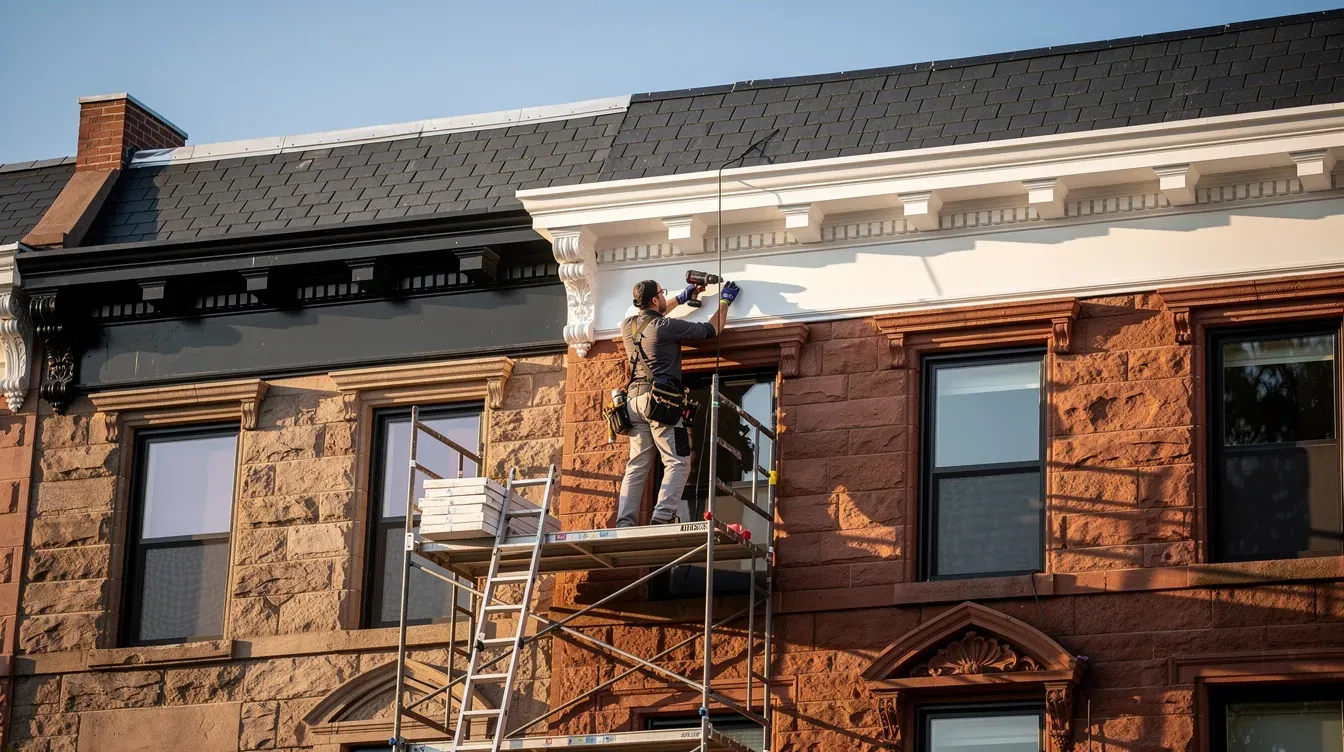
Measure the existing fascia before anything comes down. Height and thickness matter, and so does the profile if the new fascia board has to line up with old trim at the corners, and on a 1900s cornice the sizes are rarely what the lumberyard stocks today. I write the numbers down and take photos of the joints.
Remove the Gutters, Then the Old Fascia
The gutters come off first. Unscrew the gutter brackets or hangers and lower each run to the ground. Copper worth reusing gets set aside. Then cut the old caulk lines and work the pry bar in gently so you don’t crack the soffit or the slate above. Take your time with the removal. Once the old fascia is off, pull the remaining nails out of the sub fascia.
Cut and Seal the New Fascia Boards
Cut the new fascia boards to size with a circular saw. Where two boards meet on a long run I use a scarf joint, cut at an angle, so it sheds water better than a butt joint. Every exposed cut edge on wood fascia gets sealed or primed to keep moisture out of the end grain. That’s where rot starts again. I prime all six faces of each board before it goes up.
Fasten the Boards and Rehang the Gutters
Fasten the board to the sub fascia and rafters, keeping it straight along the roofline. Stainless screws are the safe choice next to copper. After installation the seams get exterior-grade caulk or a good sealant, corners included. Primer on every face and caulk at the joints are what prevent water intrusion, and they’re cheap. Then reattach the gutters, pitched so water will flow toward the downspouts, and double check the line with a level before you call it done.
What Fascia Replacement Will Cost
National cost guides put labor for fascia work somewhere around $6 to $20 per linear foot, with materials on top. That’s a general industry range rather than our pricing. Height and access affect it a lot. So does rot.
Material choice changes the cost a good deal too. Primed pine is the cheapest board up front. PVC and fiber cement cost more to buy but need far less upkeep, so over twenty years the math can come out closer than it looks on the estimate.
Cheap work is expensive here.
Proper installation prevents future costly repairs, mostly by keeping water out of the rafters, and that’s the repair you really don’t want to pay for.
Choosing the Right Material
There isn’t one right material for every house. It depends on the look you need, how wet that side of the roof stays and how much painting you’re willing to do.
Wood Fascia Boards
If you go with wood, use quality lumber. Clear, kiln-dried stock holds paint and stays straight far longer than knotty boards. Cedar and redwood heartwood resist decay and insects because of the natural oils in the wood, which is why they last well as fascia. Pine is cheaper and fine if it’s kept painted.
Any wood fascia needs maintenance. Plan on scraping and repainting or resealing every several years to keep rot out. Historic districts often want wood on the front of the house, so on a lot of Back Bay and Beacon Hill jobs that’s what goes back up.
PVC and Composite Fascia
PVC fascia doesn’t absorb water, so I recommend it for the spots that stay wet, like under a valley or along a shaded north eave. It’s low maintenance, though it moves with heat and needs room at the joints. Composite fascia mimics wood without the same rot risk and takes paint well.
Fiber Cement and Aluminum
Fiber cement fascia is very durable. It won’t rot, and it’s rated noncombustible, which counts near a chimney or a close neighbor. It is heavy and it’s cut with special blades.
Aluminum fascia, usually bent coil wrapped over wood, stands up to weather well and won’t burn either. The catch is that the wood under it still has to be sound, and a wrap installed over rot just hides it.
Soffit Ventilation and Ice Dams
When the fascia comes off it’s a good moment to look at the soffit too. Rotten soffit boards usually get replaced in the same visit, and that’s when you can add vents for proper ventilation. Air coming in at the eaves and leaving at the ridge keeps the roof deck cold, which helps stop ice dams.
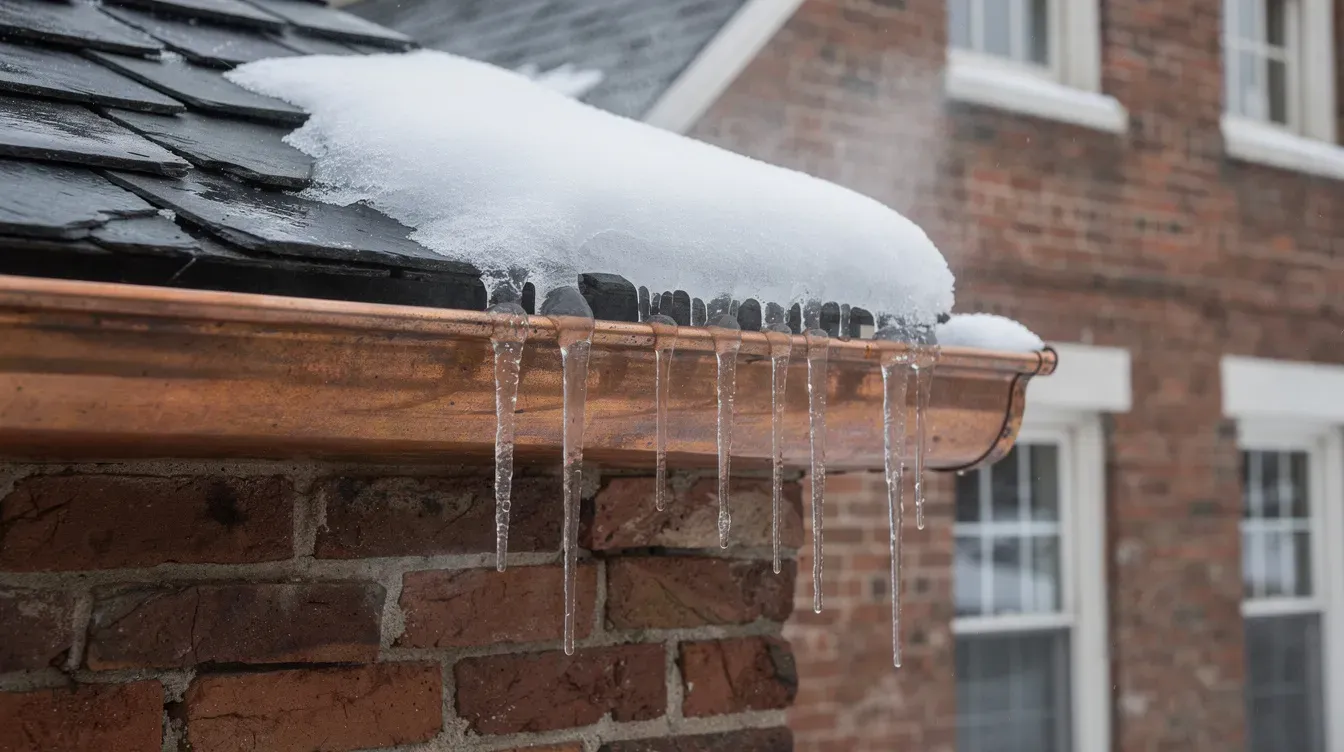
Ice dams hurt fascia more than anything else here in Boston. Melt from higher on the roof refreezes at the eave and backs up behind the gutter, pushing water into the wood. If that’s happening at your house, read our post on getting rid of ice dams on roof edges, and look at our ice melt systems for spots that keep icing up.
The gutters matter just as much. A gutter that’s undersized or pitched wrong overflows onto the fascia every storm, so we often fix both together. Our gutter repair page and the post on gutter hangers cover that side of it.
Talk to the Owner
If your fascia is soft or your gutters are pulling away, call me. I’m Arturo Nieto, and the number is 617-913-1130, or you can reach us through the contact page. We’ll check the boards and the rafter tails and tell you what actually needs replacing. If water is coming inside right now, use our emergency roof repair page.
We’re Art Slate Roofing, LLC, at 22 Clarendon St #2, Malden, MA 02148. Licensed and insured, MHIC #176393, rated 4.8 across 24 Google reviews. For older slate and copper roofs, see our historic roof restoration page.
Frequently Asked Questions
Can I Replace Just One Section of Fascia?
Sure, if the rest is solid. Cut back to good wood and scarf the new piece in, primed. I’d still pull it and look at the rafter tails behind it, because a short rotten piece out front is a lot of times sitting in front of a much longer stretch of wet framing nobody’s seen yet.
How Long Does Fascia Board Replacement Take?
One story, a simple run, often a day. A tall house takes longer once there’s staging up and copper gutters to rehang.
What Is the Most Rot-Resistant Fascia?
PVC won’t rot. Neither will fiber cement or aluminum. In wood I’d go cedar or redwood heartwood, and keep it painted.
Do the Gutters Have to Come Off?
Yes. They hang on the fascia. Down they come, then back up at the right pitch.
Why Does My Fascia Keep Rotting?
Water’s still getting to it. Clogged gutters, usually. Sometimes ice dams or no drip edge. Fix that first.