Downspout Diverter Guide: Rain Barrel Setups, Sizes and Winter Care
A roofer's plain guide to the downspout diverter: how it feeds a rain barrel, 2x3 vs 3x4 sizing, lever and automatic types, install steps, overflow and winter shutoff.
TL;DR: A downspout diverter is a fitting in your downspout that sends part of the rain into a rain barrel and lets the rest keep going down to the ground. Automatic ones send water back down the downspout once the barrel is full. Lever types make you pick the path. Measure first, since most fit 2x3 or 3x4 rectangular downspouts. Use the water on the garden, never for drinking, and close it up and drain the barrel before it freezes.
Gutters · 13 min read
I’ve seen a lot of rain barrels go wrong. Most aren’t bad barrels. The way the water got into them was the problem. Someone cut the downspout short, set a barrel under it, and the first big storm overflowed it right against the foundation.
A downspout diverter fixes most of that. It’s a small fitting that goes into your existing downspout and gives the water two places to go. Part of it fills the barrel. The rest stays in the pipe and goes where it always went.
This post covers what a diverter does and the sizes you’ll run into. Then the types, a product summary of a few I looked at, and installation instructions. Winter care and what the water is good for come at the end. Sizes and features come from maker spec sheets and store listings. Water figures come from MassDEP and the EPA. Before anything else, one thing you should know. Art Slate doesn’t sell diverters or rain barrels, and our gutter repair page doesn’t list installing them. I’m writing this because I look at downspouts every week and I get asked.
What a downspout diverter does
Your gutter system collects water along the eaves and drops it down one downspout or several. At the bottom it hits a splash block or an extension, and from there it should end up well away from the house. This Old House says at least 4 feet out. InterNACHI says 4 to 6.
A diverter sits in the downspout section a couple of feet off the ground. It catches the water flow and sends some of it out a side outlet into a hose or chute that runs to the barrel. Whatever it doesn’t capture keeps going down. The good ones do this without any cutting beyond one hole or one short piece of pipe.
So it works with what’s already there. You don’t need new gutters, and you don’t need to move the downspout. You keep the existing downspout and add a branch to it.
Rain barrel basics before you buy
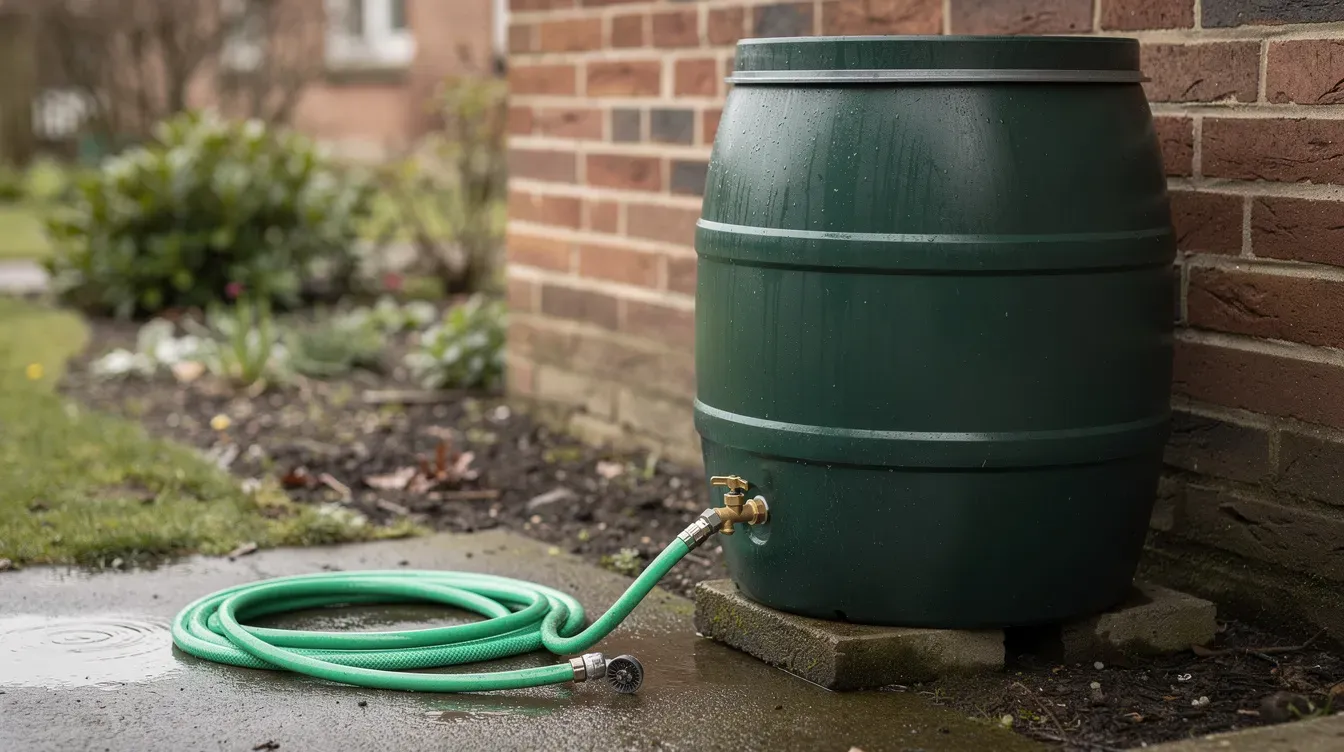
A rain barrel is a covered tank, often a 55 gallon food grade plastic drum, with a spigot near the bottom and an overflow near the top. MassDEP’s rain barrel guide has the numbers I’d want anyone to see first.
- One inch of rain on 1,000 square feet of roof gives about 623 gallons.
- A quarter inch of rain on a typical roof fills a barrel.
- A full barrel weighs over 400 pounds, so the base under it has to be solid and level.
- A full barrel waters about a 200 square foot garden.
If you want to harvest rainwater on a bigger scale with a cistern or big tank, that’s a full collection system and a different project. This post sticks to one downspout and one barrel.
That second point is the whole reason diverters exist. A barrel fills fast. After that, every gallon still coming down needs a path, and with an open top barrel that path is over the rim and down the side of your house.
The water savings are real but modest. The EPA’s rain barrel fact sheet says a barrel saves most homeowners about 1,300 gallons over the peak summer months. MassDEP puts outdoor use at about 40% of household water in summer. A barrel won’t cover all of that, but it can carry a vegetable bed between storms and save a little money on the water bill.
Gutter downspout sizes: measure first
This is where most returns come from. Downspouts aren’t one size.
Rectangular downspouts on houses are mostly 2x3 or 3x4 inches. Round ones are usually 3 or 4 inches across, and you see them under half round gutters on older Boston houses. Our galvanized gutters post goes into why InterNACHI calls a 5 inch K style gutter with 2x3 downspouts the common setup.
Measure the outside of the pipe with a tape. Measure the narrow side and the wide side. Check whether it’s smooth or corrugated, since some diverters only seal on one. Then check the listing for downspout size before you look at anything else. Some fit both rectangular sizes. Some fit one. EarthMinded, for example, makes its FlexiFit in a universal version for 2x3 and 3x4 and a separate version only for 3x4. The universal one notes that it captures less water on a 3x4.
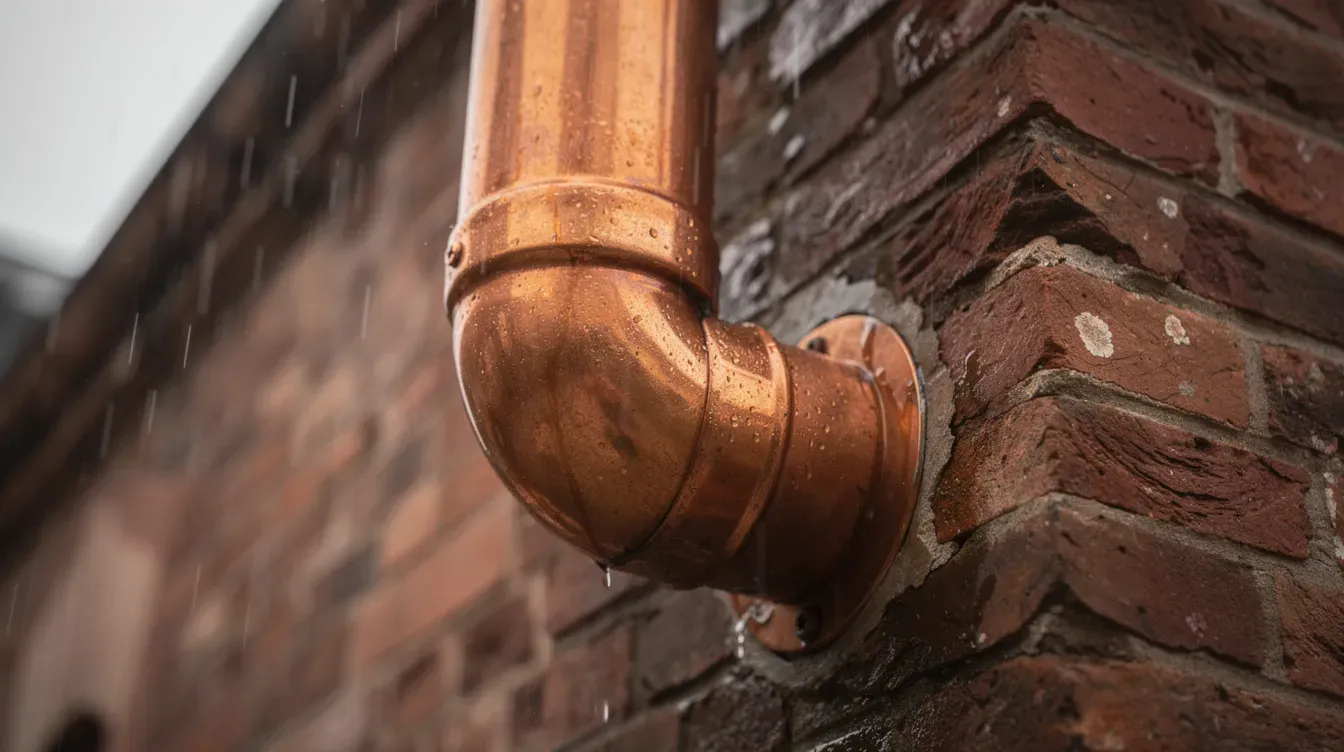
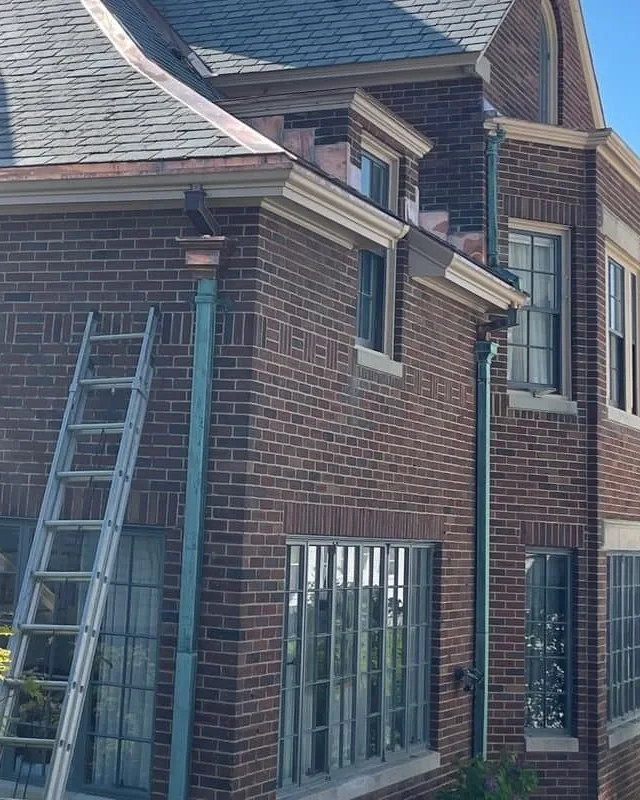
Material matters too. Diverters come in plastic and vinyl. You’ll also find rubber ones and painted aluminum. Plastic and rubber are easy to cut and seal. Aluminum lasts and looks like the rest of the downspout. If your downspouts are copper, think hard before you drill them. A cheap white fitting on a patinated copper run looks wrong. Copper is also expensive to patch if you change your mind.
Types of gutter downspout diverter
There are three basic designs. You decide based on how much attention you want to pay.
Manual lever
A hinged flap inside the fitting sends water one way or the other. Flip the lever toward the barrel and it fills. Flip it back and everything goes down to the ground. Aluminum Y split diverters work this way. They have a lever and two outlets. The catch is that you have to remember. A lever left on barrel during a long storm gives you the same overflow problem an open barrel does, unless the barrel has a good overflow hose of its own.
Automatic
These sit inside or against the downspout and feed the barrel through a hose. When the barrel is full, water backs up in the hose to the level of the diverter, and the rest of the flow just keeps going down the pipe. That bypass happens on its own, which is why I like them for people who travel or forget. The effectiveness of the device comes down to height. The barrel has to sit at the right level for the bypass to work, so read the instructions on that.
First flush and filter
These divert the first dirty water off the roof before they send the rest on. The Clean Rain line from Rain Harvesting, an Australian maker, combines a leaf screen with a first flush diverter. They’re more common on bigger tank setups than on a single barrel.
Product summary: the diverters I looked at
I’m not recommending a brand and we don’t sell any of these. This is a product summary of a few common ones, built from the product details on maker spec sheets and store listings I read in October 2026. Check the current listing before you buy. Models change.
| Product | Type | Fits | Material | Notes from the listing |
|---|---|---|---|---|
| Oatey Mystic | Automatic | 2x3 rectangular | UV resistant plastic, paintable | 4 foot hose, plus an outlet plug for winter or a full barrel |
| EarthMinded FlexiFit Universal kit | Automatic | 2x3 and 3x4 rectangular | Rubber diverter | Kit with hose, winter cover and hole saws. Overflow goes back down the downspout |
| EarthMinded FlexiFit 3x4 kit | Automatic | 3x4 only | Rubber diverter | Made for 3x4, will not fit 2x3 |
| Amerimax Catch-A-Raindrop | Filter type | 2x3 (model 37-042) | Vinyl | Catches coarse debris, takes a garden hose or a cap |
| Basic Downspout Diverter | Manual lever | 2x3 listing, 8 by 10 inches | Not stated on the listing I read | Flip the lever to pick the path |
| Clean Rain Advanced | First flush plus leaf screen | 2x3, 3x4, 3 and 4 inch round adaptors | Plastic body, stainless screen | On/off switch with an overflow to the drain |
I left prices out on purpose. They move around, and shipping can double the cost of a small fitting. The one price I’ll pass along comes from the City of Boston. Its rain barrel program page says a 50 to 55 gallon barrel runs $119 to $160 at market. Barrels through its partner program cost $80 to $89, and the city has run lotteries for free ones.
A word on reading listings. Every listing says easy installation. Most customers who leave a review saying it works great have had it through one or two storms. The reviews worth your time talk about leaks at the seal and fit on a corrugated pipe. Look for what it does once the barrel is full. Search the questions section for your downspout size too. And remember the store photo shows a clean new downspout, not yours.
Rain barrel diverter overflow and bypass
The overflow is the part I care about most as a roofer, because it decides where the water goes when you’re not watching.
With an automatic rain barrel diverter, the downspout itself is the overflow. Once the barrel is full, water stops going into the hose and the normal flow resumes down the pipe and out to the splash block. That’s the setup I’d pick. The excess water ends up where your drainage was already designed to send it.
With a lever type or an open top barrel, the barrel needs its own overflow fitting near the top with a length of hose routed far enough to direct water away from the foundation. MassDEP says to keep that overflow valve open at all times. You can also route that hose into a second barrel. Just make sure the last one in the line drains away from the house.
Either way, don’t let overflow just sheet over the rim. That’s how you get a wet basement and a washed out bed next to the house, or a soggy patch where the kids play.
Installation instructions for a typical diverter
Every product is a little different, so follow the maker’s installation instructions over mine. This is the general order for a hole in the side automatic diverter, the most common kind.
- Pick the downspout. Choose one downspout near the garden you want to water, on level ground. The barrel has to sit close, since kit hoses are short. EarthMinded’s kit wants the barrel within 28 inches of the downspout.
- Set the base first. Put the barrel on its stand or blocks before you measure anything. Raising it changes where the hole goes.
- Measure and mark. The diverter has to sit at the right height compared to the top of the barrel. Too low and it won’t bypass. Check that measurement twice.
- Cut the opening. Use the hole saw from the kit on a drill, or cut a downspout section out with a hacksaw if your model goes in line. Clean up the burrs.
- Insert and secure the diverter. Push it in, attach the clip or screws, and connect the hose to the barrel inlet with the connectors in the kit.
- Test it once it’s installed. Run a garden hose down from the gutter. Watch the fill and the bypass. Look for drips at every seal.
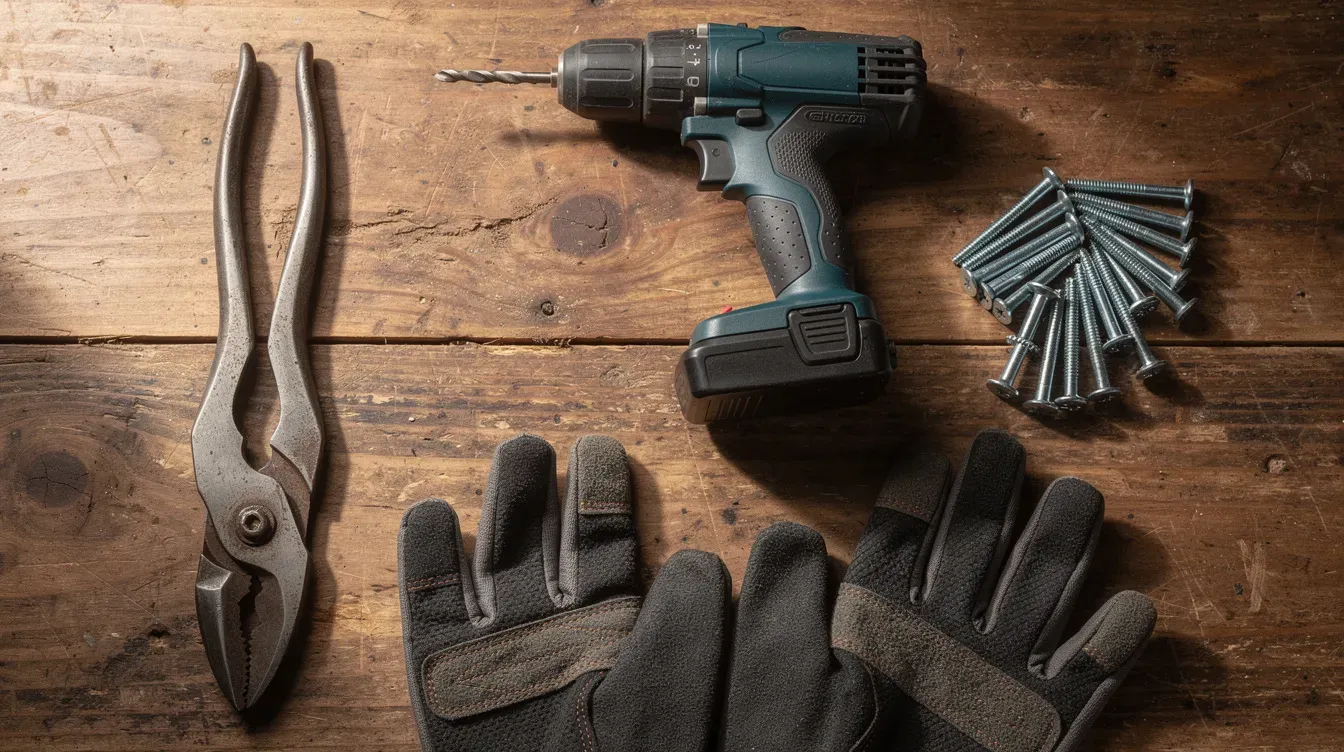
The tools are simple. You need a tape measure and a marker. You also need a drill with the hole saw, plus a screwdriver. Wear gloves, since a fresh cut in a downspout is sharp. Work from the ground. A diverter goes in low on the pipe, so you shouldn’t need a ladder for the install itself.
When professional installation makes sense
Most diverters are made for homeowners. You probably don’t need professional installation for the diverter itself. You may need help with the downspout it’s going into.
If the downspout is loose on the wall or crushed at the bottom, a diverter makes it worse. The same goes for one pulled out of the leader head or packed with debris. Fix that first. Copper downspouts are their own case, because a hole in one is permanent and patching it right isn’t a homeowner job. And if water is already pooling at the foundation, a barrel won’t fix your drainage. It only holds 55 gallons or so out of a storm.
What the water is good for
Rainwater is soft. MassDEP calls rain water “soft” and says it’s free of chlorine and fluoride and of the calcium found in a lot of tap water, and plants do fine on it. I’ve seen claims that it feeds the soil or fixes nutrients. I wouldn’t count on that. It’s water, and good water for a garden.
It is not drinking water. The CDC’s rainwater collection guidance says roof runoff can carry bacteria from bird and animal droppings along with dust and metals from the roof and gutters. Use it for the garden and the lawn, and for washing the car or the windows. On vegetables, water the soil. Don’t wet the plant. Wash what you pick with tap water. EarthMinded even ships a do not drink sticker in its kit.
A first flush diverter or a leaf filter helps with quality, because the first water off the roof is the dirtiest. Keep the barrel covered. The EPA says to cover every collection vessel to keep out mosquitoes. It also keeps kids and animals out.
Boston’s sewers and why a barrel helps a little
Boston is one of the older cities with combined sewers. Rain and sewage share the same pipes. The MWRA explains that in a very heavy rain the flow can double or triple. When it does, built in overflows release the excess into the harbor and the rivers so it doesn’t back up into homes. Boston has a combined system tied into MWRA’s. Cambridge and Chelsea have one too, and so does Somerville.
Every gallon you capture and use later is a gallon that didn’t hit the pipes during the storm. One barrel is a small thing next to a city’s storm load. The City of Boston still runs its program because a lot of barrels add up, and because they cut runoff and flooding at the street level. I’d call it a modest help, not a fix.
Rules in Massachusetts
Collecting rain for outdoor use is legal here and encouraged. MassDEP has a whole guide on it. Many towns sell barrels at a discount through annual sales. Piping rainwater inside the house for toilets is a different job. It falls under the plumbing code and needs a licensed plumber. Check with your town before building anything bigger than a barrel or two.
Winter: shut it down before it freezes
This is the step people skip, and it’s the one that cracks barrels.
Before the first hard freeze, close the diverter. On a lever model, flip it to the downspout. On an automatic model, pull the hose. Plug the port or put on the winter cover. Then drain the barrel through the spigot. Disconnect it. Turn it upside down or store it in the garage. Ice in a full barrel can split it. Ice in a hose or a clogged diverter can back water up into the downspout and then into the gutter, right when you least want water sitting up there.
Reopen it in spring after the last frost.
Maintenance through the year
A diverter is only as good as the gutters feeding it. If the gutters are full of leaves, the diverter’s screen clogs and the barrel fills with sludge. Clean the gutters in spring and again after the leaves fall. Pull the diverter’s screen or filter and rinse it a few times a season. Flush the barrel once a year. Check the seal around the hole for leaks after big storms. If your gutters overflow before water ever reaches the downspout, the barrel isn’t the problem.
Frequently asked questions
What does a downspout diverter do?
It gives the water in your downspout a second place to go. Some of it heads off through a short hose into the barrel and the rest drops to the splash block like it always did. On the lever kind you flip it yourself. The automatic kind fills the barrel, then once it’s full the water just carries on down the pipe.
What size downspout diverter do I need?
Whatever your downspout is. On most houses I see that’s a 2x3 or a 3x4 rectangle, and the round ones under half round gutters run 3 or 4 inch. Get a tape on the outside of the pipe on both sides. Look at whether it’s smooth or ribbed too, because a 2x3 fitting jammed into a 3x4 pipe is going to leak no matter how much sealant you put on it.
Can I drink water from a rain barrel?
No. The CDC warns that roof runoff can carry bacteria and metals. Keep it for the garden.
What do I do with a downspout diverter in winter?
Shut it down before the first hard freeze. Levers go back to the downspout side. On the automatic ones you plug the port or snap the winter cover on. Then empty the barrel and flip it or drag it into the garage. I’ve seen a frozen barrel split right down the seam.
Is it legal to collect rainwater in Massachusetts?
Yep. MassDEP pushes rain barrels, and Boston has given some away free by lottery. Piping it indoors is another story. That’s a licensed plumber’s job.
How fast does a rain barrel fill?
Quick. MassDEP figures 623 gallons per inch of rain on 1,000 square feet of roof. Say your downspout drains 500 square feet. That’s about 311 gallons an inch, and a 55 gallon barrel’s full before you’ve had a quarter inch.
Talk to the owner
A rain barrel is a nice thing to have. What decides whether it helps or hurts is the gutters and downspouts above it, and where the water ends up when the barrel is full.
We don’t sell or install diverters or rain barrels. What we do is gutter repair and cleaning, downspouts included. If a downspout is loose or clogged, or water is landing against your foundation, that’s ours. The estimate is free. See our gutter repair page, request a free estimate, or call 617-913-1130.