Ice Dam Prevention in New England: What Causes Them and How to Stop Them
Ice dam prevention for New England homes: why they form, why insulation alone often isn't enough, and the five-priority fix order for Massachusetts homeowners.
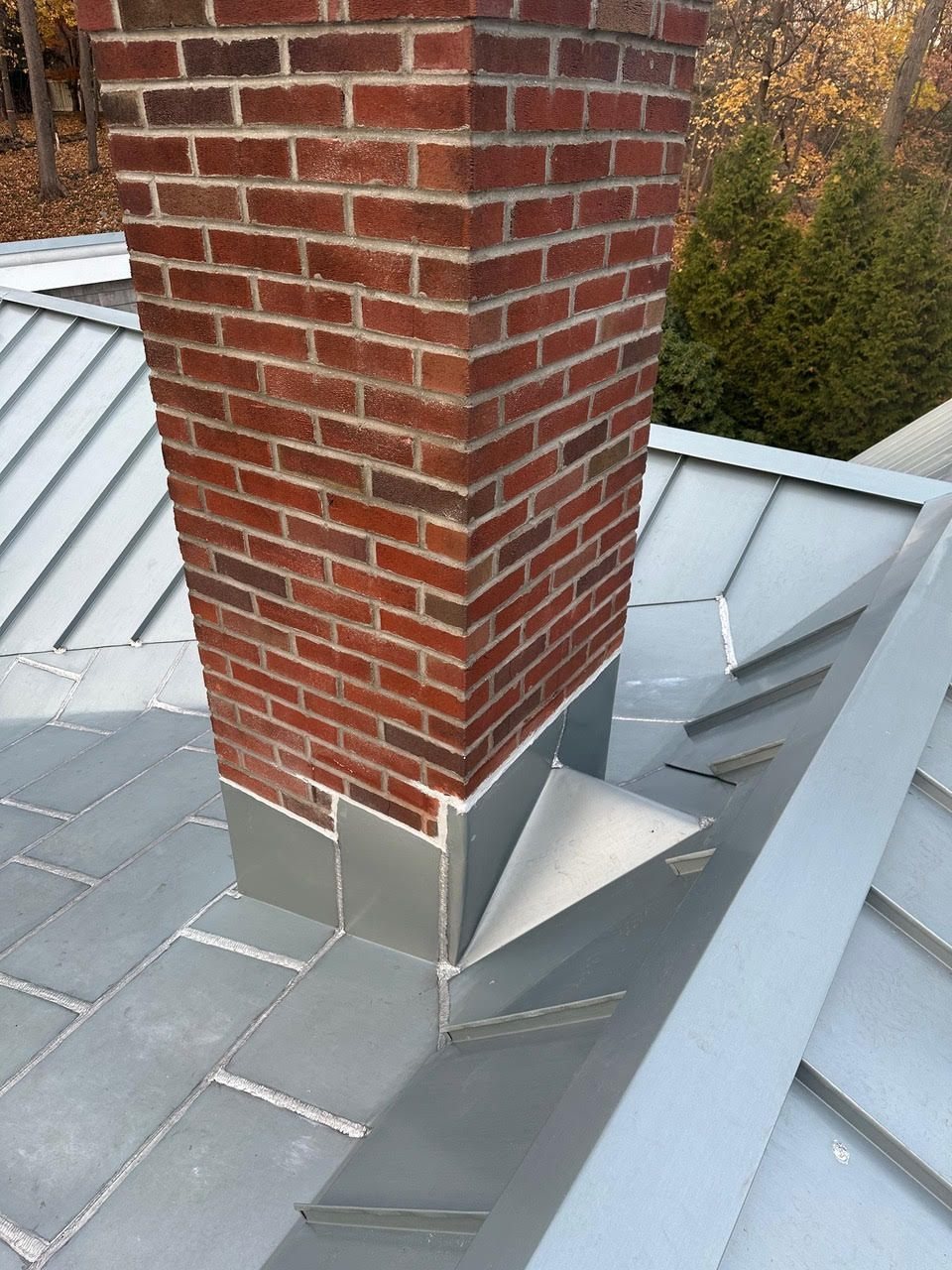
TL;DR: Ice dams form because the roof runs warm at the top and cold at the eaves, so meltwater refreezes at the edge and backs up under the slate. Adding insulation alone rarely fixes it, since Boston winters are cold and long enough that heat still bridges through. Work the fix in order: air-seal the attic floor first, then insulation to R-49 or R-60, ventilation, ice-and-water shield at the next re-roof, and ice-melt cable for the edge cases.
Ice Dams · 6 min read
Ice dams are one of the most common winter roof failures we get called for in Massachusetts, and the costly part is the water that gets inside the house, not the ice at the edge. The root cause is uneven roof temperature: warm at the top, cold at the eaves. The fix is rarely just ‘add more insulation’ even though that’s what most contractors will tell you.
How an Ice Dam Forms
- Heat escapes from the conditioned space into the attic. The underside of the roof deck warms above freezing. Snow on the upper roof melts. Water runs down to the eaves, which extend past the warm conditioned space and stay below freezing. The water refreezes. A ridge builds up. The next melt cycle can’t drain past the ridge. It backs up under the shingles or slate and finds the path of least resistance into your ceiling.
Why Insulation Alone Often Fails
- Insulation slows heat loss. It doesn’t eliminate it. On a 0°F day with the heat on, even an R-60 attic will have some thermal bridging through joists, recessed lights, and the chimney chase. Boston winters are cold enough and long enough that ‘reduce heat loss’ isn’t always enough.
- Ventilation helps. Soffit + ridge ventilation lets cold outdoor air flow under the deck and equalize temperatures. But many older Boston homes can’t be retrofitted with proper ridge ventilation without significant structural work.
The Five-Priority Ice Dam Prevention Order
- 1. Air-seal the attic floor. Recessed lights, chase walls, plumbing penetrations. This is the cheapest and most effective single fix.
- 2. Insulation upgrade. R-49 minimum for Boston (Mass building code). R-60 for older homes with thermal bridging.
- 3. Soffit and ridge ventilation. If the roof allows it.
- 4. Ice-and-water shield at the eaves. This is a roof-replacement item, not a retrofit, but it’s what prevents the next ice dam from leaking even if it forms.
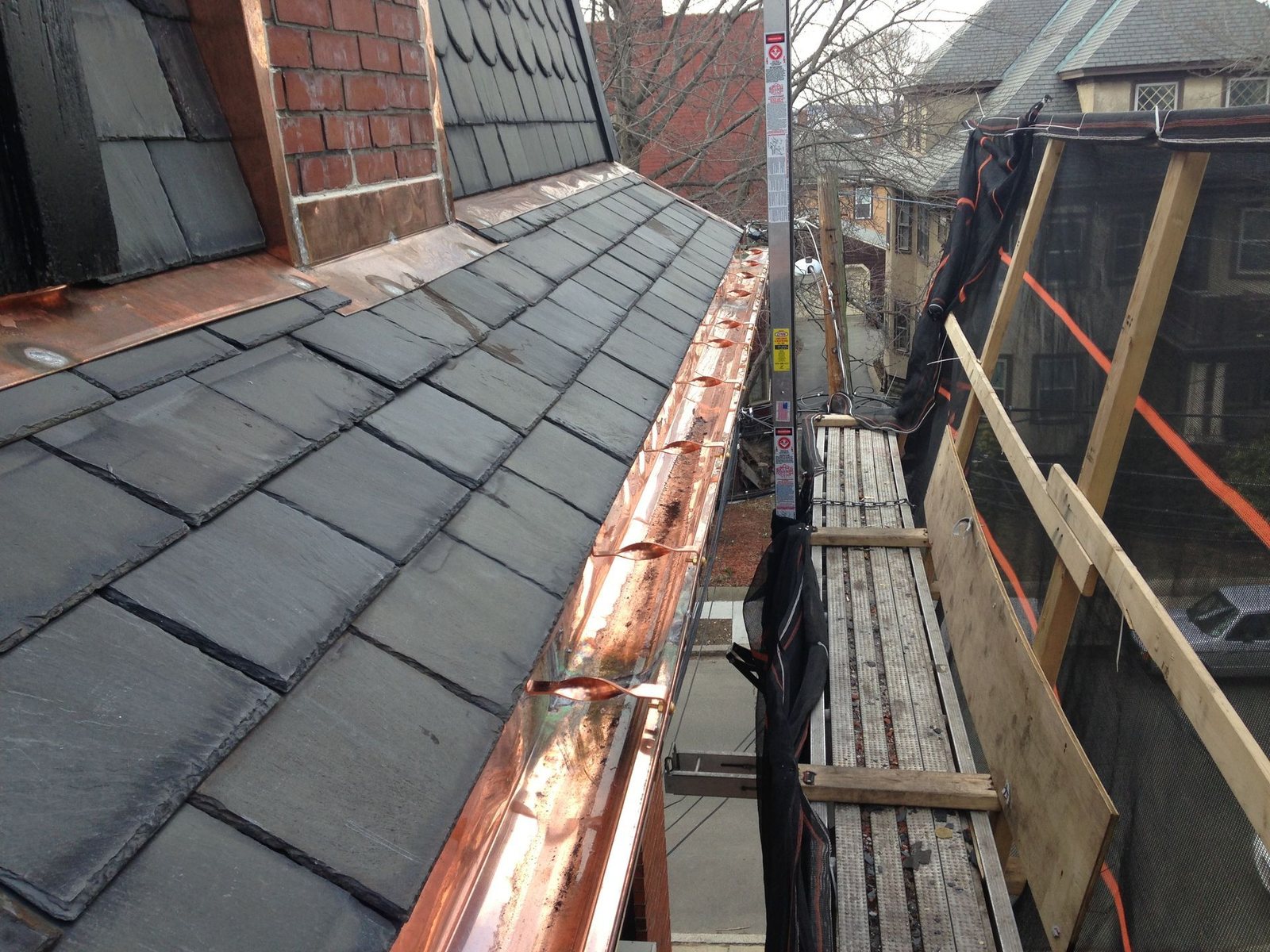
- 5. Roof ice melt cable system. The active prevention layer. Self-regulating cable at the eaves, valleys, and gutters, with an aspirated thermostat.
Why These Compound
- Each layer reduces the probability of a damaging ice dam. Air-sealing alone fixes maybe 40% of homes. Air-sealing + insulation, maybe 70%. Adding ice-and-water shield at the next roof replacement covers another 20%. Ice melt cable handles the remaining edge cases: north-facing eaves, deep valleys, slate roofs that can’t be retrofitted with ventilation.
Research Tool
“What’s my ice dam risk this winter?”
Honest math. No signup. Edit any input.
Score your ice damming risk
Most ice-dam damage in Greater Boston was readable from the attic before the first snow fell. Answer eight questions and you get a risk score, the cost of leaving it alone, and the order to spend money in.
What is driving your score
Where to spend the next dollar
Ranked by risk reduction per dollar against your specific weak points. Cost ranges are Northeast contractor midpoints in 2026 dollars.
Each factor adds to or subtracts from a baseline of 25, on the reasoning that any house in this climate carries some risk. The heaviest weights sit on attic insulation (worst case +35) and past ice-dam history (severe +25). The score caps at 100. This is a screening tool, not an engineering assessment — an attic inspection tightens the picture, and Arturo walks the roof before anyone puts a price on anything.
Want the attic looked at before the season turns? Send it over and Arturo takes a look. The assessment is free, and if the answer is that you do not need us yet, that is what you get told.
Talk to the Owner
Schedule a Free Roof Assessment.
Every job gets walked by Arturo himself before it gets quoted.